In the growing environment of the Indian elevator industry, operational excellence is not defined by production capacity alone. It is defined by the ability to seamlessly manage the journey from order confirmation to successful installation.
For CEOs, COOs, Operations Heads, and Project Directors, the challenge is clear. Fragmented processes, manual coordination, and disconnected systems are slowing execution and increasing risk. End to end digital tracking is no longer a back office enhancement. It is a strategic necessity.
The Structural Complexity of Elevator Orders
Unlike standardized mass production industries, elevator manufacturing operates on engineered to order logic. Sales teams commit to specifications that engineering must validate. Engineering designs must translate into accurate bills of materials. Procurement must align component availability. Production planning must synchronize fabrication and assembly. Logistics must coordinate delivery to often constrained urban construction sites. Installation teams must depend on site readiness and contractor coordination.
When these stages operate in silos, friction emerges. Approval delays accumulate. Configuration errors propagate. Material shortages surface late. Site readiness issues disrupt installation schedules. Revenue realization shifts further into the future.
What appears externally as a delayed installation is often internally a breakdown in process visibility.
The Cost of Fragmentation
Many elevator manufacturers continue to rely on email driven approvals, spreadsheet based tracking, and manual coordination between departments. Data exists but is scattered across systems. Sales uses CRM. Engineering uses design tools. Production uses ERP modules. Project updates travel through calls and informal reporting.
This fragmentation introduces hidden costs. Rework increases when specifications are miscommunicated. Lead times extend due to unanticipated component gaps. Working capital rises when inventory is not aligned with confirmed orders. Installation teams arrive at sites that are not ready, resulting in wasted labor hours. Customers experience uncertainty, damaging trust and brand equity.
In a market where competition includes global players such as KONE, Otis Worldwide Corporation, TKE Group and Schindler Group, operational precision becomes a differentiator. Price competition compresses margins. Execution excellence protects them.
Why End to End Visibility Matters
End to end digital tracking creates a unified operational narrative. From the moment a sales order is confirmed, every downstream activity is orchestrated within a single digital framework.
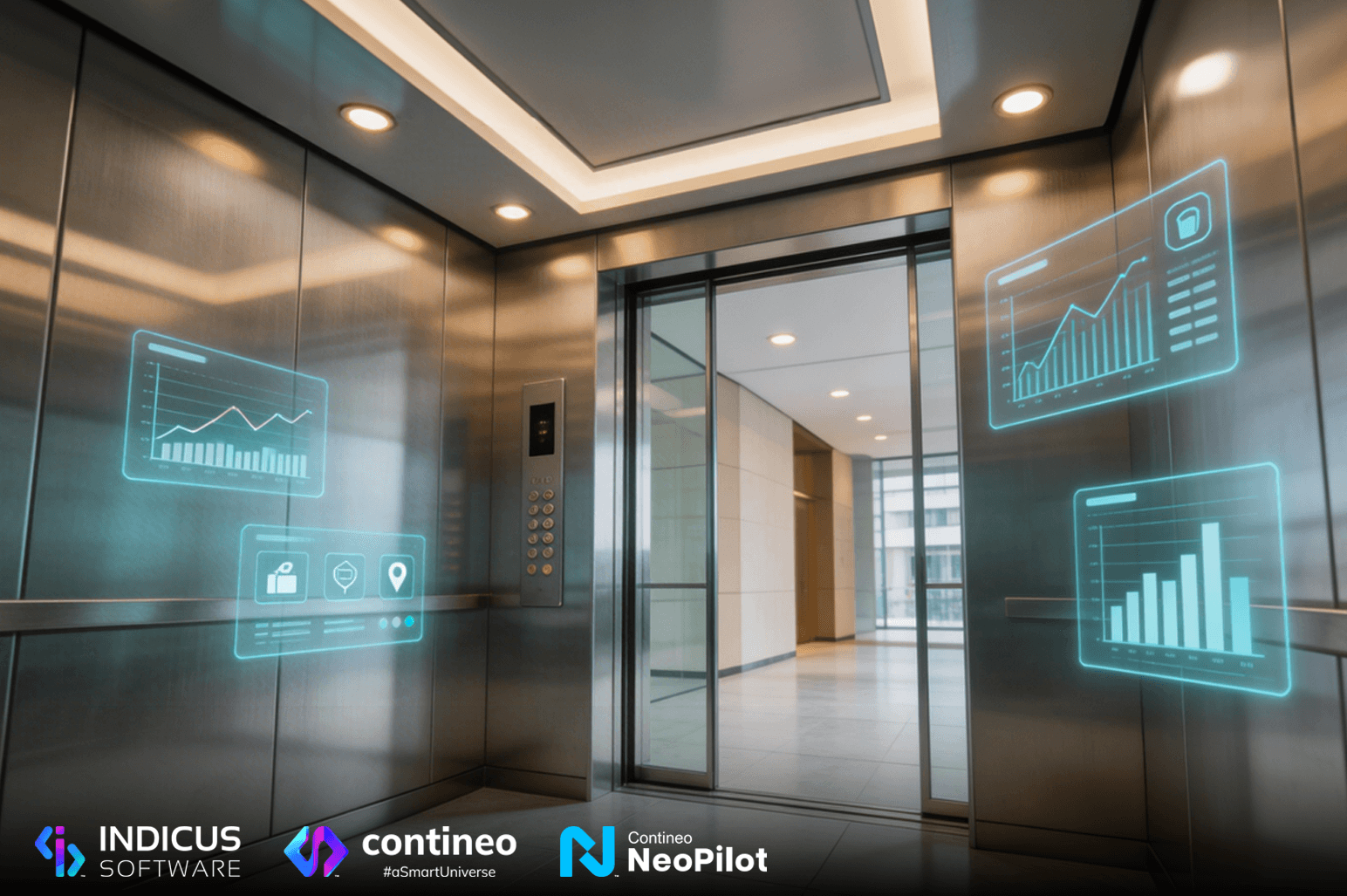
Configuration approvals flow through structured workflows. Engineering validations trigger automated bill of material generation. Procurement receives real time visibility into material requirements. Production planning dashboards reflect order priority and capacity allocation. Logistics tracking aligns dispatch with site readiness. Installation teams access digital checklists and milestone trackers. Leadership dashboards provide consolidated visibility into project health across regions.
This integration eliminates ambiguity. It replaces reactive coordination with proactive governance.
For executive leadership, visibility transforms decision making. Delays are identified early rather than post escalation. Bottlenecks become measurable. Resource allocation becomes data driven. Customer communication becomes transparent.
The Link Between Digital Tracking and Revenue Acceleration
In elevator manufacturing, installation completion often triggers milestone payments. Any delay in installation directly affects cash flow. Without digital tracking, organizations struggle to pinpoint where delays originate. Sales may assume a production lag. Production may attribute issues to procurement. Installation may highlight site constraints.
A unified digital backbone surfaces root causes objectively. It allows leadership to distinguish systemic bottlenecks from isolated incidents. More importantly, it shortens the order to cash cycle.
In a capital intensive industry, improved working capital efficiency strengthens strategic flexibility. Organizations can invest in modernization initiatives, service expansion, and geographic growth with greater confidence.
Beyond Tracking to Workflow Orchestration
Digital tracking is not simply about dashboards. It is about orchestrated workflows. Each stage of the order lifecycle must be governed by structured approval paths, automated triggers, and accountability mechanisms.
For example, if a design deviation occurs, escalation should be automatic. If a critical component is delayed, production plans should dynamically adjust. If site readiness is incomplete, installation scheduling should recalibrate before dispatch. If compliance documentation is pending, automated alerts should prevent milestone closure.
This level of discipline cannot be sustained through manual coordination. It requires a configurable, enterprise grade workflow platform.
Contineo as the Digital Backbone
Contineo enables elevator manufacturers to build end to end order to installation tracking systems tailored to their operational realities. As a low code platform, it allows rapid development of customized applications that integrate with existing ERP, CRM, and IoT environments.
Organizations can design structured order configuration modules, automated approval workflows, bill of material generation engines, production planning dashboards, logistics coordination systems, installation milestone trackers, and executive visibility portals within a unified architecture.
Rather than introducing another disconnected tool, Contineo becomes the orchestration layer that binds the enterprise together. It ensures that data does not merely reside in systems but flows intelligently across them.
The advantage is not incremental efficiency. It is structural agility.
Strategic Implications for Leadership
For decision makers, the question is not whether digital tracking is beneficial. It is whether the organization can scale sustainably without it.
As order volumes rise and customization intensifies, manual oversight becomes untenable. As customers demand transparency, opaque processes erode trust. As competition accelerates, execution speed defines market share.
End to end digital tracking transforms the elevator enterprise from function centric to process centric. It aligns sales, engineering, procurement, production, logistics, and installation within a cohesive operational model.
The organizations that embrace this shift will not only reduce delays but redefine their market reputation.
Contineo empowers manufacturers to design, deploy, and scale end to end order to installation tracking systems without long development cycles or rigid legacy constraints. By establishing a unified digital backbone, organizations can improve predictability, accelerate revenue realization, and strengthen customer confidence.
Ready to streamline your elevator manufacturing operations?
Discover how Contineo enables manufacturers to automate workflows, track projects from order to installation, and improve operational visibility across the entire lifecycle.
Request a demo today and see Contineo in action.